fbpx

INTRODUCTION

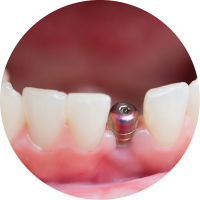
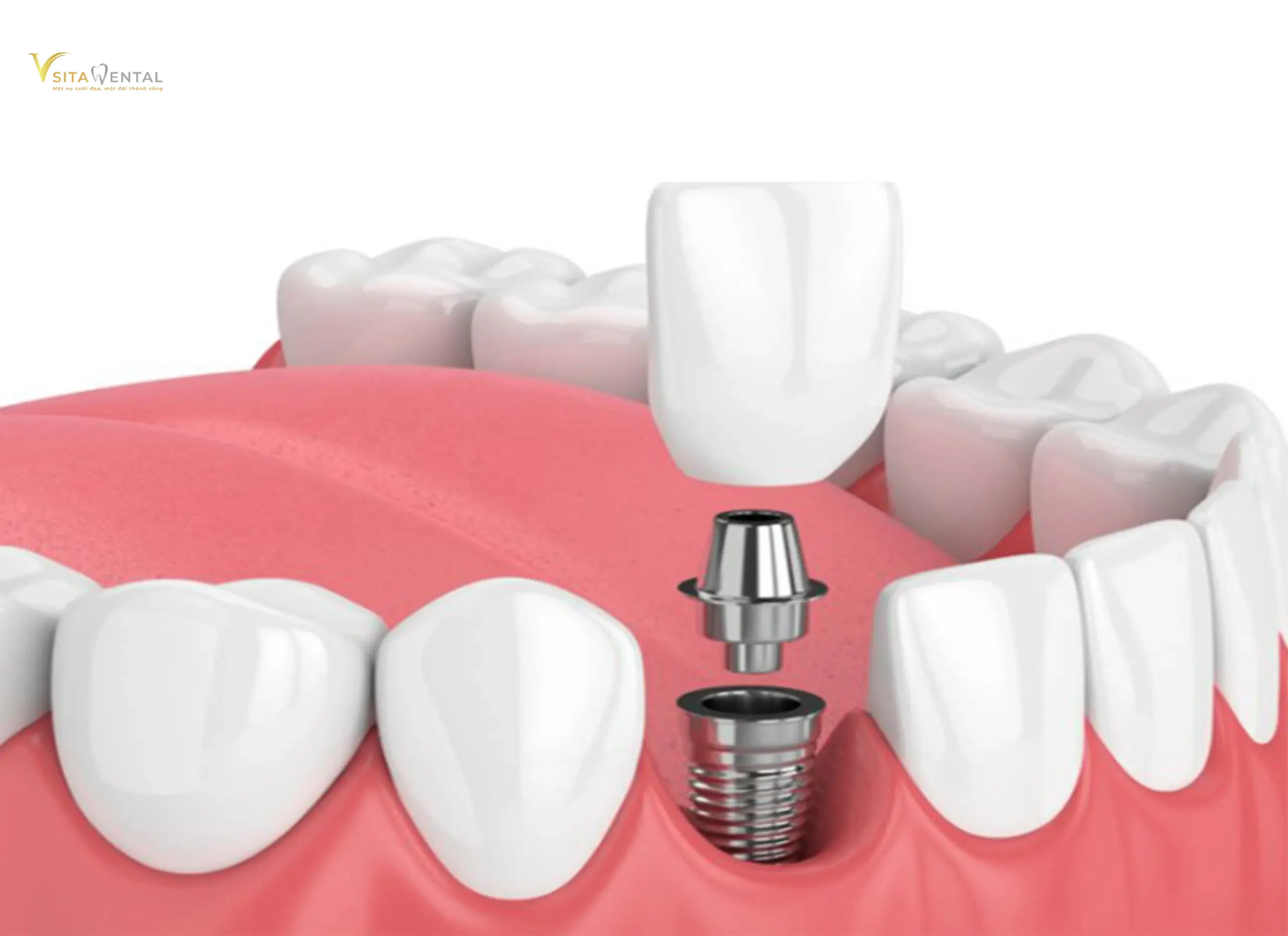
A single implant is a sophisticated dental procedure designed to replace a missing tooth with a durable and natural-looking solution.

Trồng răng Implant là 1 phương pháp điều trị chuyên sâu thay thế răng bị mất (một hoặc nhiều răng) bằng cách cấy ghép một hay nhiều trụ implant (bằng titan hoặc vật liệu tương hợp sinh học) vào xương hàm. Trụ implant này sẽ được dùng để nâng đỡ phục hình cố định hoặc tháo lắp để phục hồi chức năng ăn nhai của và đảm bảo thẩm mỹ tối ưu. Phẫu thuật cấy ghép implant nha khoa cần được thực hiện tại các phòng khám đạt chuẩn về vô trùng và phẫu thuật theo quy định của Bộ Y Tế.

Implant Procedure:

Step 1: General Examination, CT Scan, and Treatment Plan.

Step 2: Blood Test.

Step 3: Preparation.

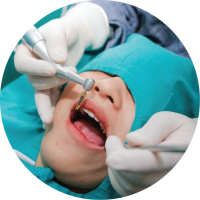
Step 4: Implant Surgery.

Step 5: Place the Abutment.

Step 6: Ceramic teeth fixtation.

Distinguishing features of dental Implant treatment at VSiTa Dental:

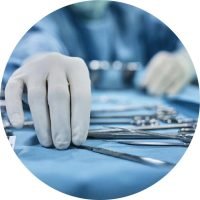
VSiTa Dental boasts a standardized operating room system adhering to the Ministry of Health’s regulations, along with a post-operative care room system, ensuring a sterile environment that instills confidence and comfort in customers.

The surgeries are conducted by a team of highly experienced oral surgeons with many years of experiences in dental and maxillofacial hospital units and universities of Medicine and Pharmacy.

Implants utilized at VSiTa Dental originate from Europe and America, providing a range of pricing options to accommodate diverse customer needs.


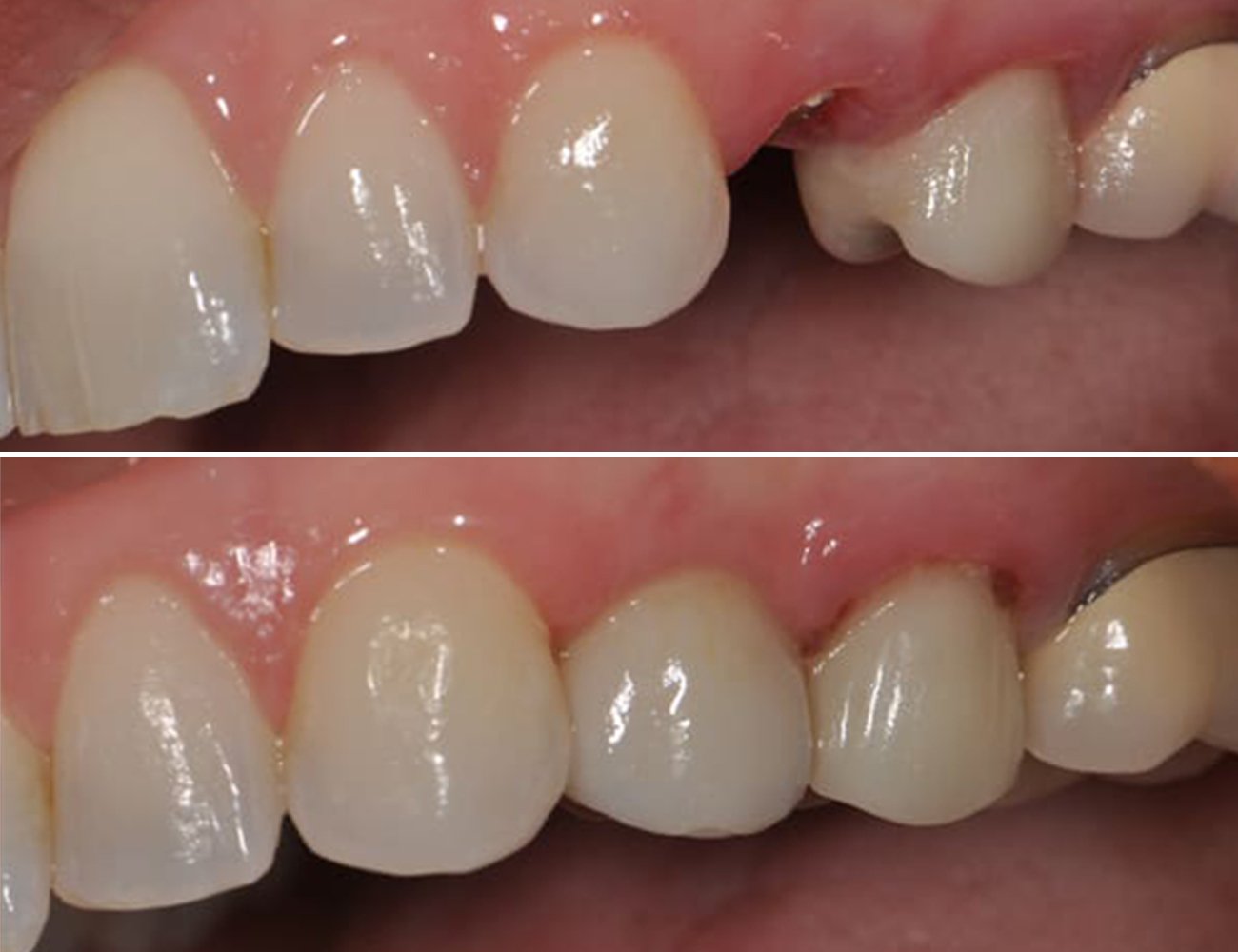
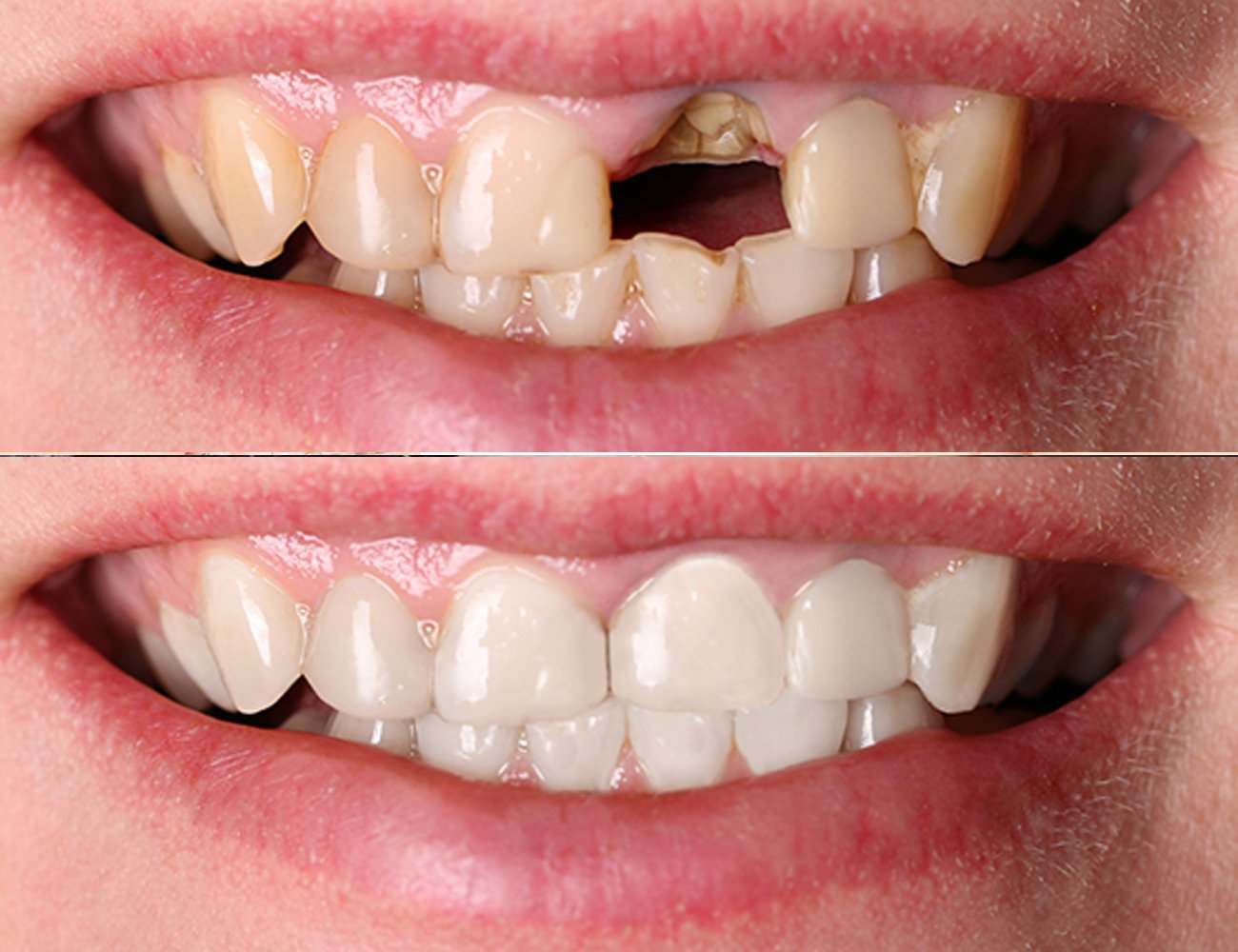
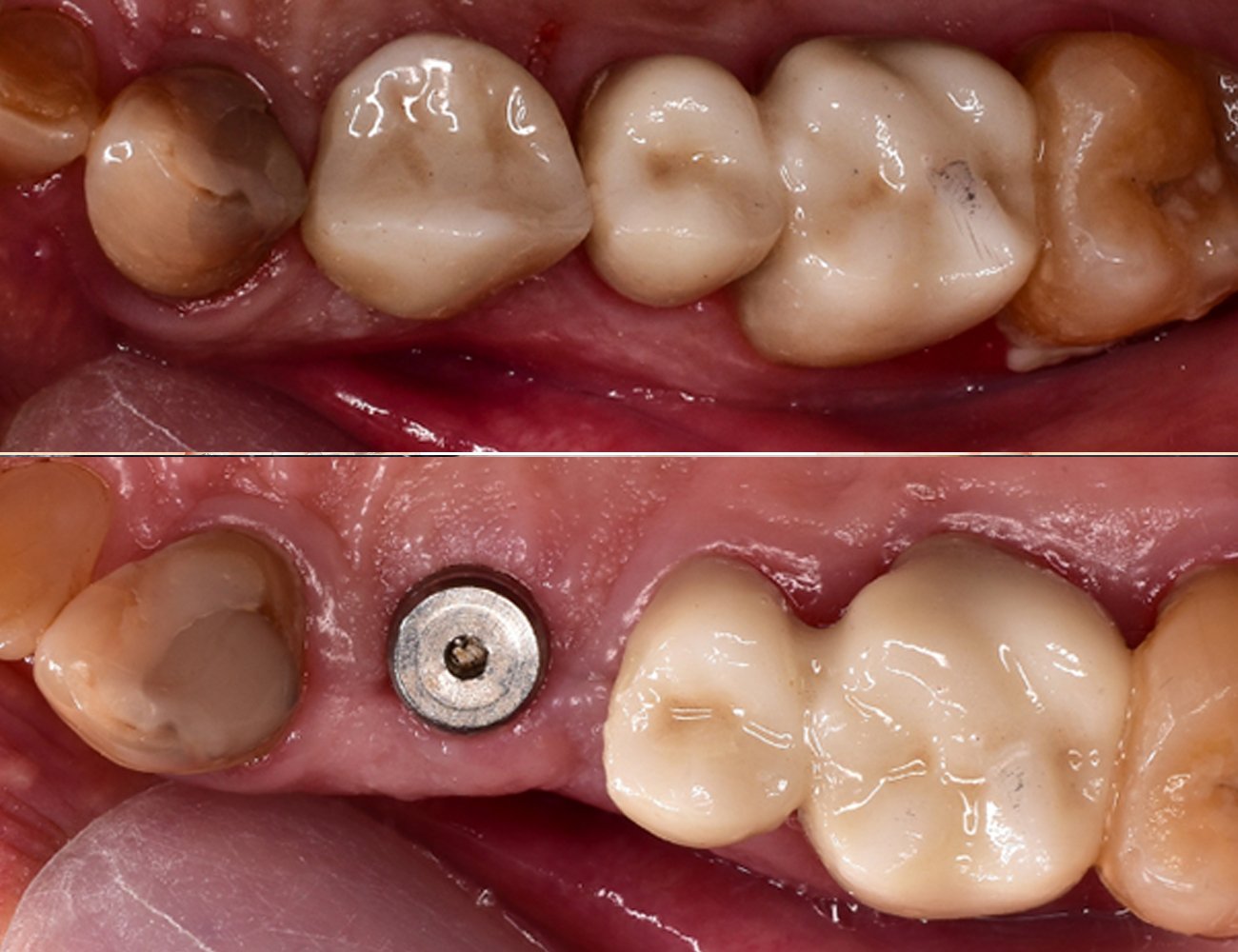
Customer images

Single implant price list

IMPLANT SURGERY

SERVICES IMPLANT ABUTMENT RESTORATION ABUTMENT
Implant Dio - Korea 12,000,000 3,000,000
Implant Dentium - USA 14,000,000 4,000,000
NeoDent Switzerland (Made In Brazil) 20,000,000 6,000,000
Implant Straumann SIC Switzerland (Made In Germany) 25,000,000 7,000,000
Nobel Biocare Implant 29,000,000 5,000,000
Implant Straumann SLA Switzerland 30,000,000 8,000,000
Implant Straumann SLA Active Switzerland 36,000,000 8,000,000

​​IMPLANT-SUPPORTED RESTORATION

SERVICES UNIT PRICE (VND)
Temporary Restoration On Implant 1 Teeth 5,000,000
All-Ceramic Restoration 1 Teeth 6,000,000
Zirconia Restoration 1 Teeth 7,000,000
Zirconia Multilayer Restoration 1 Teeth 8,000,000
Zirconia Plus Restoration 1 Teeth 10,000,000
CAD/CAM Ceramic Restorationon Ti-Base 1 Teeth 12,000.000
V-Sita Exclusive Ceramic Restoration 1 Teeth 15,000,000

ADDITIONAL SURGERY

SERVICES UNIT PRICE (VND)
Closed Sinus Augmentation Surgery 1 Teeth 5,000,000 - 10,000,000
Open Sinus AugmentationLift Surgery 1 Sinus 15,000,000 - 20,000,000
Bone Graft Surgery 1 Teeth 5,000,000 - 10,000,000
Guided Implant Placement Unit 2,000,000 - 3,000,000
Implant Removal Surgery 1 Teeth 3,500,000

* Please contact our consulting staff for assistance

Frequently asked questions in Dental Implantology ?

Can Lost Teeth be Restored with Ceramic?
Ceramic dental bridges (or porcelain dental implants) can serve as an alternative to replacing one or several missing teeth. However, creating a ceramic dental bridge involves grinding healthy teeth to act as support pillars for the pontic tooth in the tooth loss area. This method may not optimize force distribution on the real tooth root, making dental implants a higher-quality approach that recreates both function and aesthetics similar to natural teeth.

How Many Implants are Needed if Many Teeth are Lost?
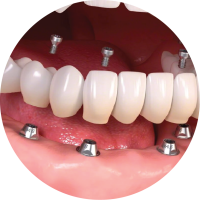
The number and location of implants depend on factors such as tooth loss location, bone quality, and the type of implant restoration. For the loss of 2-4 consecutive teeth, a minimum of 2 implants is typically recommended. In cases of total tooth loss, at least 4 implants are advised. However, in porous bone situations, the number of implants may be limited and can range from 6 to 8 .

What are Bone Grafts and Membrane Grafts? When Should it be Done?
Prolonged tooth loss leads to jawbone deterioration at the site of the missing tooth. If there is insufficient remaining bone for a secure implant insertion, the dentist may recommend bone grafting to augment bone volume before implant placement. Membrane grafting is employed when extensive bone grafting is required or to support the regeneration of bone and gum tissue in the correct biological and functional form. Bone grafting can be performed before, during, or possibly after implant placement.

How Long Should I Wait After Losing a Tooth Before Getting a Dental Implant?
It is advisable to consult with a dentist promptly after tooth loss for dental implant considerations. Early intervention helps mitigate bone loss, reduces the need for extensive grafting procedures, minimizes complication rates, and stabilizes the entire jaw bite. In cases of tooth extraction due to looseness, trauma, or significant cavities, the dentist can sometimes place the implant immediately after tooth extraction.